
Dementia is becoming more common as the world's population ages, making thorough treatment and precise diagnosis more important than ever. A comprehensive mental examination for dementia patients is one of the most important aspects of delivering good treatment for people with dementia. This assessment is essential to comprehending the cognitive and psychosocial difficulties that people with dementia encounter.
What is a Psychiatric Evaluation for Dementia Patients?
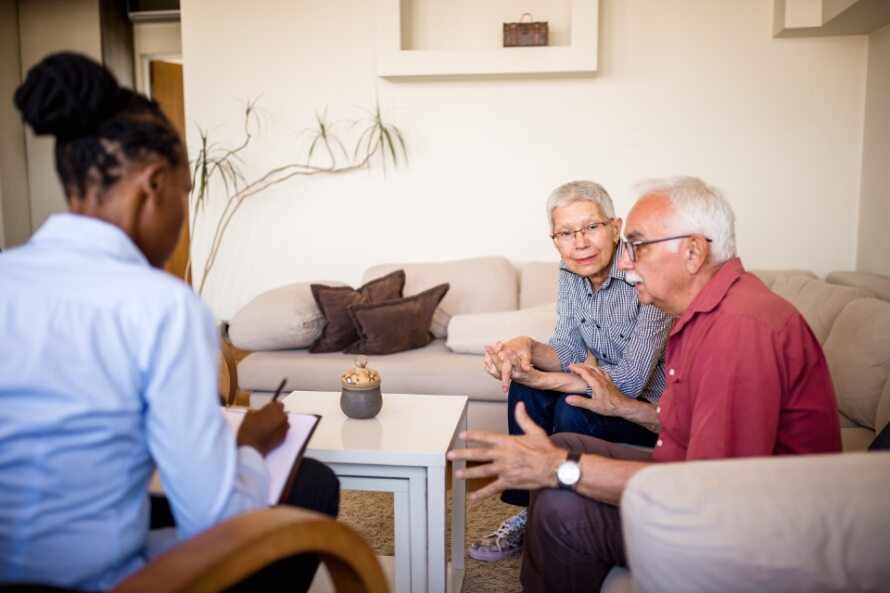
A competent mental health practitioner, usually a psychiatrist or geriatric psychiatrist, does a thorough assessment for dementia patients known as a psychiatric evaluation for dementia patients. This evaluation's objectives are to ascertain the patient's current state of mental health, spot any underlying mental illnesses, and gauge the effects of dementia on the person's emotional and cognitive abilities.
Information from the patient, their family, and other caregivers will be gathered by the psychiatrist during the evaluation. This procedure aids in creating a comprehensive image of the patient's emotional and mental well-being, which is necessary for creating a successful treatment strategy.
A thorough interview, behavioral assessments, cognitive testing, and a review of the patient's medical history may all be part of the examination.
Why is a Psychiatric Evaluation Crucial for Dementia Patients?
In addition to diagnosing dementia, a psychological examination for dementia patients involves evaluating the entire spectrum of difficulties associated with the illness. Patients with dementia frequently experience a range of psychological symptoms, including agitation, hallucinations, anxiety, and depression. Early detection and treatment of these symptoms can significantly enhance the patient's quality of life.
Additionally, clinicians can find concomitant illnesses like depression or sleep disturbances that can worsen dementia symptoms with the aid of psychiatric exams. Healthcare professionals can lessen some of the upsetting consequences of dementia by addressing these underlying problems.
In the end, the assessment is a crucial stage in choosing the most effective treatment plan, which may include medication, counseling, or lifestyle modifications.
The Role of Dementia Education in Enhancing Care
Alzheimer's disease A key component of effectively caring for people with dementia is education. It gives families, medical professionals, and caregivers the information they need to comprehend the intricacies of dementia and its symptoms. Education offers helpful advice on how to deal with behavioral changes, manage daily care, and enhance communication with dementia patients.
Caregivers can lessen their own stress and enhance the patient's comfort by being aware of the stages of dementia, typical behaviors, and symptom management techniques. Additionally, education enables early intervention and prompt care plan modifications by assisting caregivers in identifying warning indicators of deteriorating illnesses.
Hearts For Dementia provides helpful dementia education resources that might enable caregivers and family to give better care.
The Benefits of Integrating Psychiatric Evaluation with Dementia Education
The outcomes are significantly better when dementia education and mental evaluation are combined. Education enables caregivers to identify when a patient's behavior may necessitate additional psychological testing, which helps them appreciate the value of psychiatric examinations. A caregiver who is knowledgeable about dementia education, for instance, might see behavioral or emotional changes that point to a mental health problem and seek a psychiatric evaluation for the patient.
The patient's unique needs, including whether medication, therapy, or other interventions are required to address mental symptoms, are then communicated to caregivers by a comprehensive psychiatric examination.
Conclusion: Improving Dementia Care Through Education and Evaluation
For the diagnosis and treatment of mental health conditions that frequently coexist with dementia, a psychiatric evaluation is a crucial tool. Healthcare professionals are able to create more individualized treatment regimens by comprehending the entire range of a patient's needs, including cognitive and psychological aspects. In addition, dementia education equips families and caregivers with the information and abilities they need to better support their loved ones.
Together, these two strategies improve dementia patients' outcomes and lessen the strain and stress on caregivers while also improving the entire care experience. Dementia care can be more efficient, humane, and comprehensive with ongoing education and prompt psychiatric assessments.


Write a comment ...