
Every year, millions of individuals are discharged from hospitals and rehabilitation centers with the hope of returning to a stable, independent life. But the journey from hospital to home isn’t always straightforward—especially for seniors or those with complex health conditions. This is where a Hospital-to-Home Recovery and Reintegration Service Consultant plays a vital role. Acting as the bridge between acute care and long-term well-being, these professionals coordinate transitional care services that are essential for a safe and successful recovery at home.
Whether a person is recovering from surgery, illness, or managing chronic disease, the transition from hospital to home is a high-risk period. Without proper planning, many patients experience setbacks, leading to hospital readmissions or long-term complications. A hospital-to-home consultant ensures that patients receive the right support, resources, and care as they reintegrate into their daily lives.
What Is a Hospital-to-Home Recovery and Reintegration Service Consultant?
A Hospital-to-Home Recovery and Reintegration Service Consultant is a specialized care coordinator trained to manage the transition between inpatient care and home recovery. They work closely with patients, families, hospitals, and senior home care providers to create customized post-discharge care plans.
Their responsibilities include:
Assessing discharge readiness and identifying potential risks
Coordinating follow-up appointments, therapies, and medications
Arranging for senior home care services and in-home medical equipment
Educating families on post-hospital care requirements
Monitoring recovery progress and adjusting care plans accordingly
In essence, this role combines medical knowledge, logistical coordination, and a deep understanding of patient needs.
The Importance of Transitional Care Services
Transitional care service refers to the set of actions designed to ensure continuity and coordination of health care as patients transfer between different locations or levels of care. When someone leaves the hospital, they might need physical therapy, wound care, medication management, or simply help with daily tasks like bathing and meal prep. Without proper transitional care, patients are at higher risk of complications, such as:
Medication errors
Missed follow-up appointments
Unmanaged symptoms
Avoidable hospital readmissions
A consultant specializing in transitional care services can reduce these risks by identifying gaps before they cause harm. Their proactive approach leads to better outcomes, lower healthcare costs, and improved patient satisfaction.
The Role of Senior Home Care in Recovery
One of the most important components of a successful transition is senior home care. After being discharged, many seniors are not ready to resume their normal routines without assistance. In-home caregivers can support recovery by:
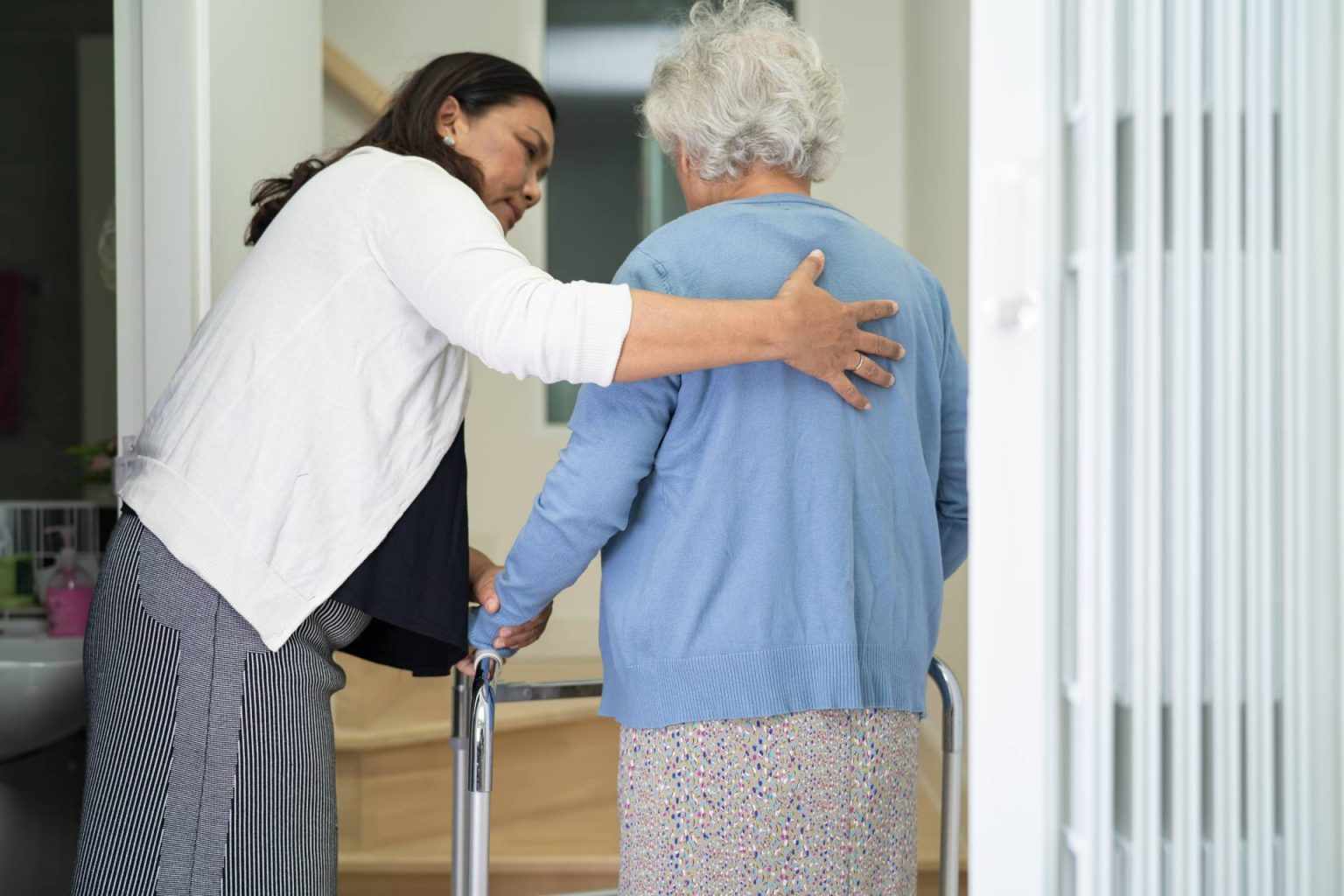
Assisting with mobility and fall prevention
Monitoring vital signs and overall health
Providing medication reminders and dietary support
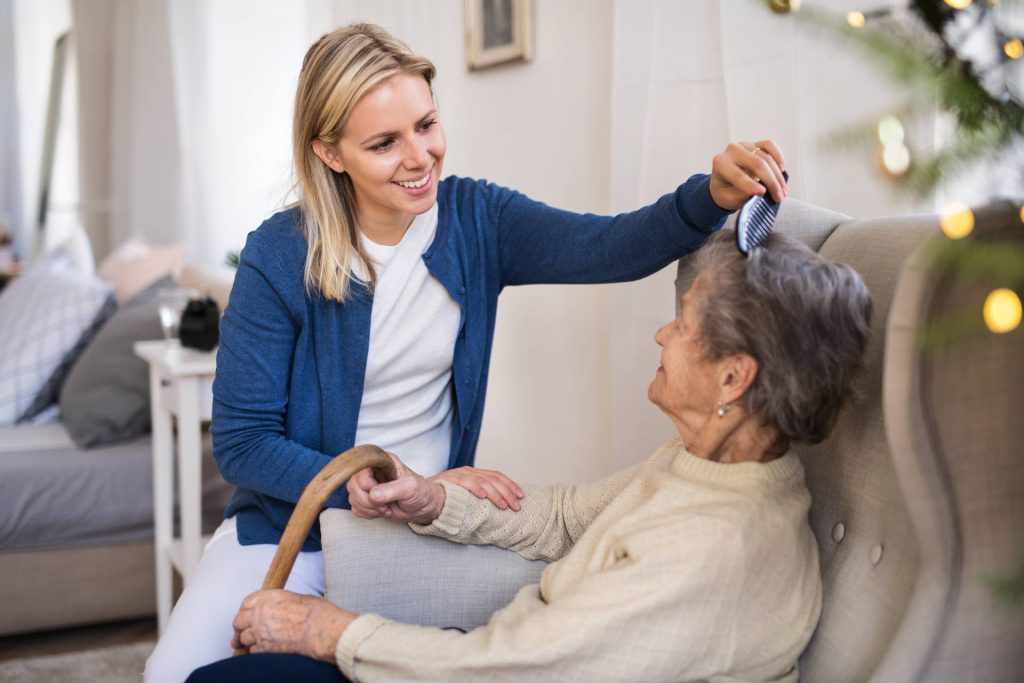
Helping with personal hygiene and household tasks
Offering companionship, which can reduce stress and depression
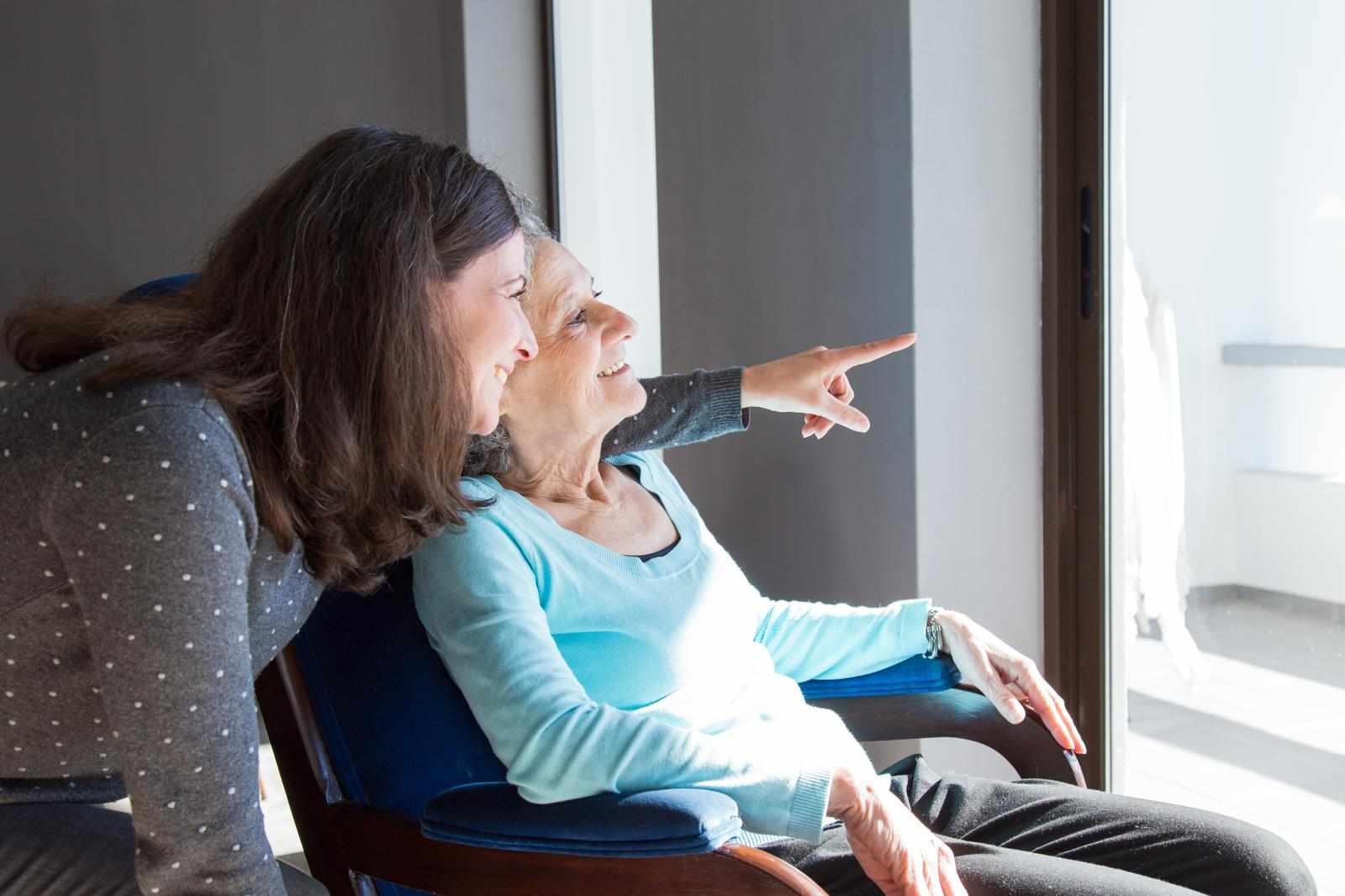
For families, senior home care also offers peace of mind, knowing that their loved one is receiving professional care in a comfortable, familiar environment.
Creating a Seamless Transition Plan
The work of a Hospital-to-Home Consultant begins before a patient ever leaves the hospital. They coordinate with discharge planners, nurses, and doctors to gather essential information about the patient’s condition and anticipated needs. From there, they:
Conduct a Home Safety Assessment
They evaluate the home environment to make sure it’s safe and accessible for the patient, especially if mobility is limited.Design a Custom Recovery Plan
This includes timelines for therapy, medication schedules, dietary guidelines, and emotional support resources.Coordinate Services and Communication
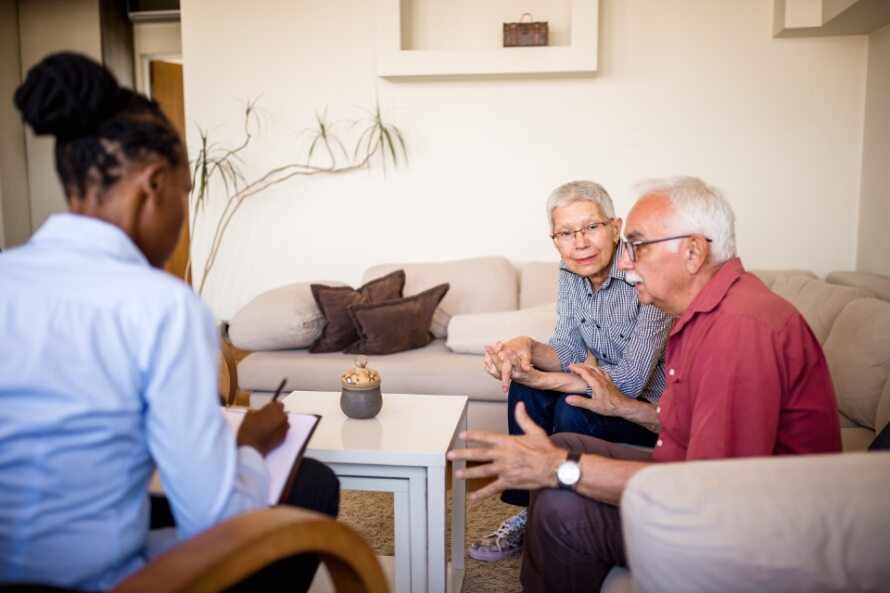
Whether it’s arranging transportation to appointments or syncing care updates with doctors, consultants ensure that everyone is on the same page.Support Family Involvement
Family members are often the first line of support at home. Consultants provide training and guidance so they can assist effectively.Monitor Progress Post-Discharge
Recovery is dynamic. Consultants check in regularly to assess progress and update the care plan if needed.
Real Impact: Lower Readmissions, Better Quality of Life
Statistics show that effective transitional care services significantly reduce the likelihood of hospital readmissions—especially within the first 30 days post-discharge. But beyond the numbers, the real value is in the patient’s quality of life.
Patients who receive personalized guidance from a hospital-to-home consultant often report:
Greater confidence in managing their health
Better adherence to treatment plans
Improved emotional well-being
Enhanced family support
These outcomes not only reduce strain on the healthcare system but also promote independence and dignity, especially for older adults.
Who Can Benefit from These Services?
While Hospital-to-Home Recovery and Reintegration Services are beneficial to anyone transitioning out of acute care, they are especially valuable for:
Seniors recovering from surgery, falls, or strokes
Patients with chronic conditions like heart failure, COPD, or diabetes
Individuals without a strong support system at home
Families who want guidance navigating complex care needs
Whether arranged privately or through healthcare organizations, these services fill a critical gap in the care continuum.
Final Thoughts
Recovery doesn't end at discharge. The journey from hospital to home is full of potential challenges—and opportunities. With the guidance of a Hospital-to-Home Recovery and Reintegration Service Consultant, families can approach this transition with clarity, confidence, and care.
By combining expert transitional care services with the comfort and practicality of senior home care, these consultants ensure that every patient has the tools they need not just to heal, but to thrive.


Write a comment ...