
Caring for a loved one with dementia is a profound and emotional journey. As memory fades and daily tasks become challenging, family caregivers often find themselves overwhelmed by the responsibilities of providing consistent care. This is where a dementia caregiver support group can make a world of difference. By offering guidance, shared experiences, and emotional support, these groups serve as a vital resource for caregivers navigating the complexities of dementia care.
The Challenges of Dementia Caregiving
Dementia care requires patience, understanding, and specialized knowledge. Whether you’re assisting with daily activities, managing medications, or simply offering companionship, the demands of caregiving can be both physically and emotionally draining. Many caregivers experience:
Emotional Stress – Watching a loved one struggle with memory loss can be heartbreaking.
Physical Exhaustion – The 24/7 nature of dementia care can take a toll on a caregiver’s health.
Feelings of Isolation – Many caregivers feel alone in their journey, lacking a support system.
Uncertainty About Best Practices – Providing proper care requires knowledge about dementia progression, behavioral changes, and effective caregiving techniques.
A dementia caregiver support group can help ease these burdens by offering practical advice, emotional support, and a sense of community.
How Dementia Caregiver Support Groups Help
Support groups bring caregivers together, providing a safe space to share experiences and learn from others who understand the challenges firsthand. Here’s how they can help:
1. Emotional Support and Stress Relief
Caregiving can feel isolating, but knowing you’re not alone makes a significant difference. Talking to others who understand the emotional highs and lows can help reduce stress and provide much-needed encouragement.
2. Practical Advice from Peers
Experienced caregivers and professionals share helpful tips on managing dementia-related behaviors, communication strategies, and daily care routines. Learning from real-life experiences can help you become a more confident caregiver.
3. Access to Resources and Professional Guidance
Many support groups are led by professionals in senior home care, providing expert insights into available care options, financial assistance, and medical guidance. These resources can help caregivers make informed decisions about their loved one’s care.

4. Prevention of Caregiver Burnout
Caregiving without support can lead to burnout, negatively affecting both the caregiver and the individual receiving care. Support groups encourage self-care and provide strategies to manage stress and avoid exhaustion.
5. A Sense of Community and Belonging
Having a network of people who genuinely understand your challenges fosters a sense of connection and belonging. Caregivers often form lasting friendships, providing an ongoing support system.
The Role of Senior Home Care in Dementia Support
While support groups offer emotional and educational benefits, senior home care services provide direct assistance to both caregivers and individuals with dementia. Professional caregivers can help with:
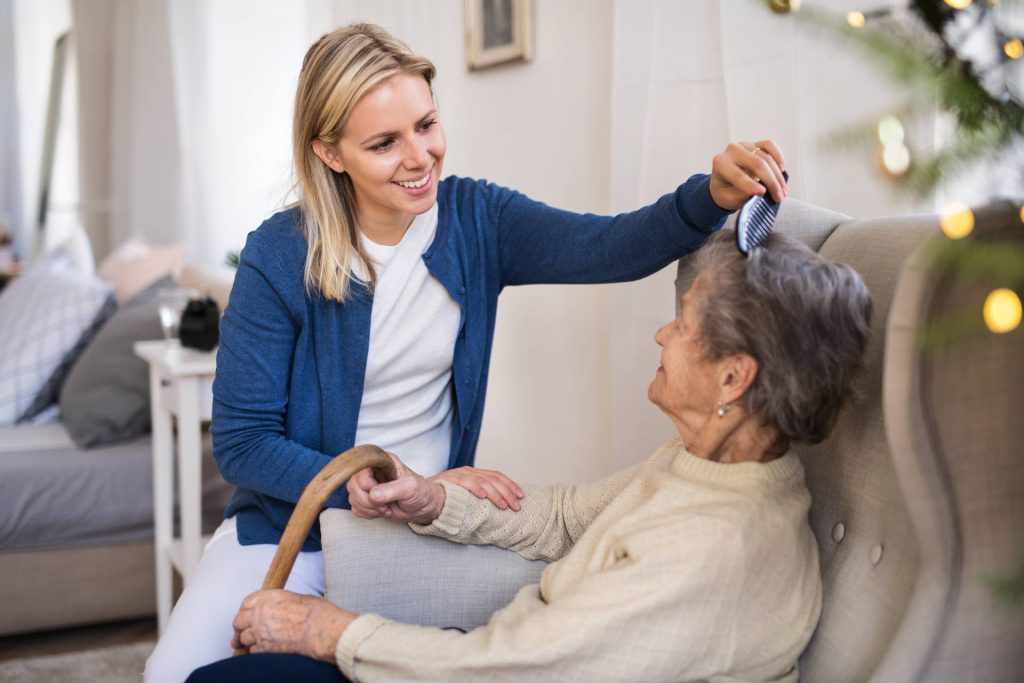
Personal care (bathing, dressing, grooming)
Medication management
Meal preparation and nutrition
Companion care and engagement
Respite care for family caregivers
Combining the benefits of a dementia caregiver support group with the assistance of trained senior home care professionals ensures a comprehensive approach to dementia care. Families can feel more confident knowing their loved one receives the best possible care while also maintaining their well-being as caregivers.
Finding the Right Dementia Caregiver Support Group
Support groups are available in many forms, including:
In-person meetings at community centers, hospitals, and senior care facilities
Online support groups offering virtual meetings and discussion forums
Specialized groups for caregivers of individuals with specific types of dementia (Alzheimer’s, Lewy body dementia, etc.)
When choosing a support group, consider factors such as meeting frequency, group size, and whether it aligns with your specific caregiving needs.
Final Thoughts: You Are Not Alone
Caring for a loved one with dementia is a journey that no one should navigate alone. A dementia caregiver support group provides a compassionate environment where caregivers can share, learn, and grow together. When combined with senior home care services, families can ensure their loved ones receive high-quality care while maintaining their own well-being.
If you’re caring for someone with dementia, consider joining a support group today. It may be one of the most beneficial steps you take in your caregiving journey.





Write a comment ...